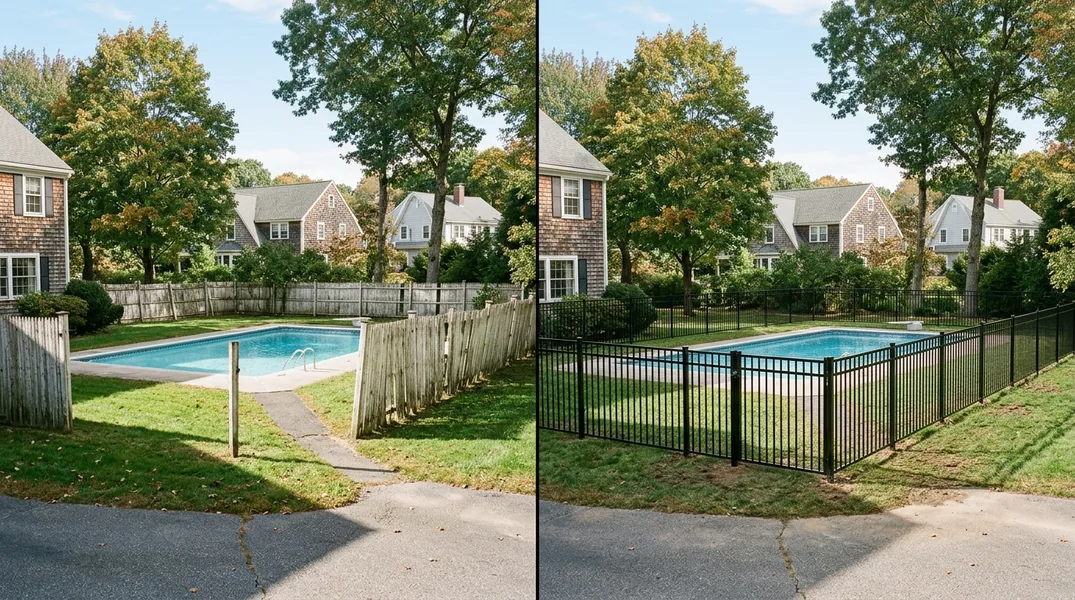
Understanding Massachusetts Pool Fence Code Requirements
If you own a swimming pool in Boston or the surrounding areas, you're required by Massachusetts law to install a barrier fence that meets specific safety standards. These regulations exist to prevent accidental drowning, particularly among young children. The Massachusetts State Building Code outlines detailed requirements for residential pool enclosures, and failing to comply can result in fines, liability issues, and most importantly, put lives at risk.
The primary regulation governing pool fences in Massachusetts is based on the International Swimming Pool and Spa Code (ISPSC). This means your pool fence installation must meet strict specifications regarding height, materials, gates, and spacing. Whether you're planning Wood & Privacy Fence Installation or another barrier type, understanding these code requirements upfront is essential. Many homeowners don't realize that a fence that looks secure may not meet legal standards, which is why consulting with experienced fence professionals is crucial before you begin your project.
Pool Fence Height Requirements in Massachusetts
One of the most important specifications in Massachusetts pool fence code is the minimum height requirement. Your pool fence must be at least 4 feet tall, measured from the ground level on the pool side of the fence. This height requirement is non-negotiable and applies to all residential pools in the state. The 4-foot minimum ensures that small children cannot easily climb over or reach into the pool area, providing a critical layer of protection.
It's worth noting that the height measurement must be taken consistently around the entire perimeter of your pool. If your yard has slopes or uneven terrain, the fence height requirements still apply at every point. This is one reason why working with experienced installers matters. They understand how to properly measure and install fencing so that it meets code requirements even on challenging landscapes. If you're considering Vinyl & PVC Fence Installation or other materials for your pool barrier, the height requirement remains the same regardless of the material you choose.
Self Closing Pool Gate Regulations: What You Need to Know
Massachusetts law requires that any gate providing access to your pool area must be self-closing and self-latching. This means the gate should automatically close behind anyone who passes through it, and it must have a latch mechanism that automatically engages. The self-closing pool gate requirement is one of the most frequently cited violations because homeowners sometimes overlook this detail or install gates that don't function properly. A gate that closes slowly or fails to latch completely does not meet code requirements and leaves your pool vulnerable.
The self-latching mechanism must be positioned at least 54 inches above the ground level, which means it's out of reach for young children. The gate itself must open away from the pool area, not toward it, and it must be able to close and latch from both sides. Additionally, the space between the gate and its frame cannot exceed 0.5 inches. These specifications might seem overly detailed, but they're designed with safety as the primary concern. When you're ready to install your pool fence near Quincy or Newton, make sure your contractor understands these gate requirements and can install hardware that meets Massachusetts standards.
Spacing and Material Specifications for Pool Barriers
Beyond height and gate requirements, Massachusetts pool fence code also addresses the spacing and materials used in your barrier. The vertical spacing between pickets or the horizontal spacing in chain-link fencing cannot exceed 4 inches. This prevents small children from squeezing through gaps or getting their heads stuck. If you're considering Chain Link Fence Installation, the mesh openings must meet this 4-inch maximum requirement. For wood fencing, pickets must be spaced appropriately, and any horizontal rails must not provide a climbing surface.
The materials you choose for your pool fence must be durable and capable of withstanding outdoor conditions while maintaining their structural integrity. Whether you select wood, vinyl, chain-link, or Aluminum & Ornamental Iron Fencing, the material must not have any openings larger than 4 inches and must be sturdy enough to resist climbing. The fence must also be free from sharp points or edges that could cause injury. Wood fencing, while attractive and popular in Brookline and throughout the Boston area, requires regular maintenance to ensure it continues to meet code requirements as it ages.
Pool Fence Installation Cost in Boston: What to Budget
The pricing for a pool fence installation varies based on several factors including the total linear footage you need to enclose, the material you choose, terrain challenges, and local labor costs. In the Boston area, you can expect to invest anywhere from several thousand dollars to significantly more, depending on your specific situation. A typical residential pool fence for a standard-sized yard might range from $3,000 to $8,000 or more, but this is a general estimate and your actual cost will depend on your unique circumstances.
When budgeting for your pool fence, remember that this is an investment in safety and legal compliance, not just aesthetics. Choosing the cheapest option available might result in a fence that doesn't meet code requirements or fails prematurely. It's worth getting a free estimate from Boston Fence so you understand the actual costs for your property. During a consultation, our team can assess your yard, discuss material options, and provide transparent pricing. We can also explain how different material choices affect both the initial installation cost and long-term maintenance expenses, helping you make an informed decision that fits your budget and meets all Massachusetts requirements.
Working with Code-Compliant Fence Contractors in Boston
Installing a pool fence that meets Massachusetts code requirements is not a DIY project for most homeowners. The regulations are specific and technical, and mistakes can result in safety hazards and legal liability. When you hire a professional fence contractor, you're paying for their expertise in understanding local codes, proper installation techniques, and the use of appropriate materials and hardware. Boston Fence has extensive experience installing pool barriers that meet or exceed all Massachusetts state requirements.
Before hiring any contractor, ask them directly about their experience with pool fence installations and their knowledge of Massachusetts code requirements. Request references from previous pool fence projects and ask to see examples of self-closing gates they've installed. A reputable contractor should be able to explain the code requirements to you in plain language and show you exactly how their installation will comply. When you're ready to move forward, contact Boston Fence at (857) 767-9232 or visit our website to discuss your pool fence project. We'll ensure your pool barrier is safe, legal, and built to last for years to come.
Looking for a professional fence contractor in Boston? Boston Fence responds fast for all your fence needs.
Get a Free Quote