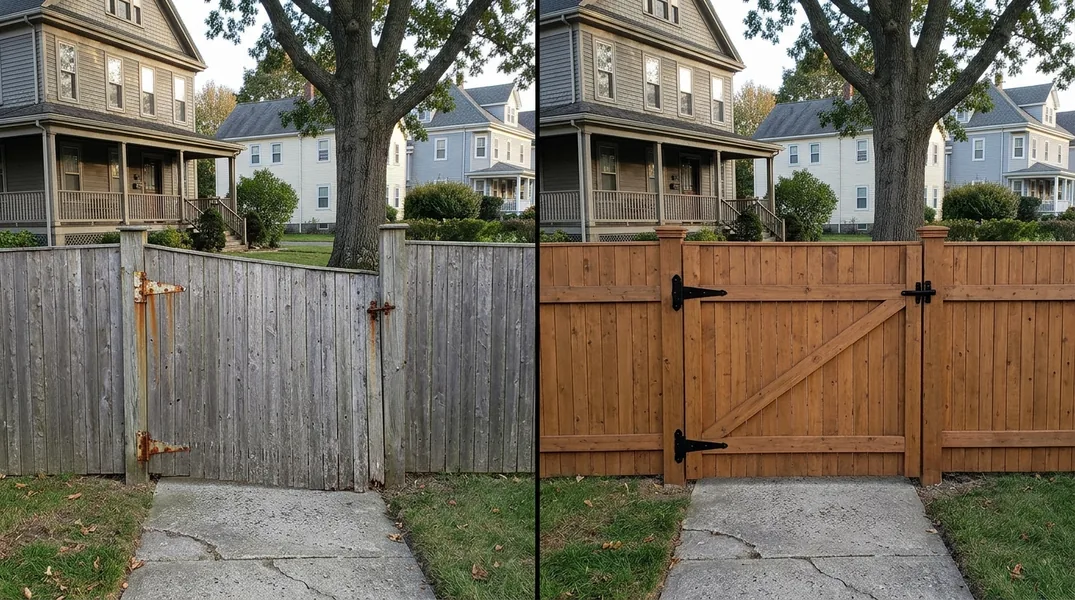
Why Fence Staining Matters in Boston's Coastal Climate
If you own a cedar or wood fence in Boston, you already know that New England weather is unforgiving. Salt air from the Atlantic, freeze-thaw cycles, and intense UV exposure create a perfect storm of conditions that can rapidly degrade unprotected wood. This is where fence staining becomes not just an aesthetic choice, but a critical maintenance step that extends the lifespan of your investment by years or even decades.
Cedar is a naturally beautiful and durable wood species, but it's not immune to the elements. Without proper protection, exposed cedar will turn gray, develop surface cracks, and become vulnerable to moisture infiltration, rot, and insect damage. Wood & Privacy Fence Installation companies in the area understand this challenge intimately. The salt-laden air that defines coastal Boston life can accelerate wood degradation significantly compared to inland regions. Staining acts as a protective barrier, sealing the wood's pores and preventing water absorption while allowing the natural grain and color to remain visible.
Understanding Fence Staining vs. Fence Sealing: What's the Difference?
Many homeowners use the terms 'staining' and 'sealing' interchangeably, but they actually serve different purposes, and understanding the distinction is important for making the right choice for your fence. Fence sealing refers to applying a clear protective coating that penetrates the wood and hardens to create a water-resistant barrier. Sealers are typically transparent and preserve the natural look of the wood while offering protection against moisture and UV damage. Staining, on the other hand, adds color pigment to the wood while also providing protection. Stains come in a range of colors, from natural cedar tones to darker browns and grays, and they can enhance or completely transform your fence's appearance.
For most homeowners in Boston seeking to maintain their cedar fences, a combination approach works best. A quality stain product often includes sealing properties, providing both aesthetic appeal and functional protection. Some people prefer a clear or semi-transparent sealer if they want to showcase the wood's natural grain, while others opt for a solid stain to achieve a specific look or to better hide weathering and discoloration. The choice depends on your preferences, your fence's current condition, and how much maintenance you're willing to commit to over time. Professional fence installation and maintenance companies can assess your fence and recommend the best product and application method for your specific situation.
Fence Staining Cost in Boston: What to Budget
When planning a fence staining project, understanding the pricing structure will help you budget appropriately. The fence staining cost in Boston varies based on several factors, including the size of your fence, the current condition of the wood, the quality of the stain product you choose, and whether you hire professionals or tackle the project yourself. On average, homeowners can expect to pay between $1.50 and $4.00 per linear foot for professional fence staining services, though this can vary depending on your specific circumstances and the contractor you select.
A typical residential fence might be 150 to 200 linear feet, which means a complete professional staining job could range from $225 to $800 or more. If your fence requires prep work such as power washing, sanding, or repairs before staining can begin, you should anticipate additional costs. The quality of the stain product matters significantly as well. Premium, long-lasting stains formulated for harsh coastal climates like Boston's will cost more upfront but will save you money in the long run by requiring less frequent reapplication. If you're considering a DIY approach, you'll save on labor but should invest in quality materials and tools. For an accurate quote tailored to your fence's specific needs, reach out to Boston Fence at (857) 767-9232 or request a free estimate to get a detailed breakdown of costs.
The Best Time to Stain Your Fence and How Often You Should Reapply
Timing is everything when it comes to fence staining. The ideal window for staining work in Boston is spring through early fall, when temperatures are mild and rain is less frequent. You want to choose a time when the wood is dry and the forecast shows at least 48 hours of dry weather after application to allow the stain to cure properly. Spring is particularly popular because it gives your fence maximum protection heading into the summer months and beyond. Avoid staining during heavy rain, extreme heat, or when temperatures are expected to drop below 50 degrees Fahrenheit, as these conditions compromise the stain's ability to adhere and cure correctly.
How often you need to reapply stain depends on the product quality, your climate, and how much direct sun and weather exposure your fence receives. In Boston's challenging environment, with salt air and intense seasonal changes, most homeowners find that reapplying stain every two to three years keeps their fences looking fresh and fully protected. Some premium stains designed for New England conditions may last four to five years before needing refresh. If you notice the stain beginning to fade or water beading less effectively on the wood surface, it's time to consider reapplication. Regular maintenance staining is much less labor-intensive and expensive than waiting until your fence has suffered significant damage, so staying ahead of the schedule pays off in the long run.
Professional Fence Staining Near Me: Why Hiring Experts Makes a Difference
While fence staining might seem like a straightforward DIY project, there are real advantages to hiring professionals who understand Boston's unique environmental challenges. Expert fence contractors have access to commercial-grade products that outperform retail alternatives, and they know exactly which stains and sealers perform best in coastal New England conditions. They also have the proper equipment for surface preparation, including pressure washers and sanders, which are essential for achieving a long-lasting finish. Improper surface prep is one of the most common reasons DIY staining projects fail prematurely, so this step alone justifies professional involvement.
Professional installers also understand the nuances of application. They know how to apply stain evenly, work in optimal weather conditions, and complete the job efficiently without disrupting your daily life. If your fence requires repairs or has areas of rot or damage, professionals can address these issues before staining, ensuring that your entire fence is truly protected. Whether you're in Newton, Quincy, Brookline, or elsewhere in the greater Boston area, local fence staining professionals understand regional weather patterns and can recommend the best maintenance schedule for your specific location. If you'd like to discuss your fence's staining needs with knowledgeable professionals, Boston Fence is ready to help. Call (857) 767-9232 today or submit your inquiry through our free estimate form to get started.
Maintaining Your Cedar Fence Between Staining Applications
Staining is a crucial part of cedar fence maintenance, but it's not the only step. Between staining applications, regular upkeep will extend your fence's lifespan and keep it looking its best. Annual power washing (at a moderate pressure to avoid damaging the wood) removes dirt, algae, and salt residue that accumulate over time. This simple maintenance step prevents premature graying and keeps the stain from being obscured by surface contaminants. Inspect your fence regularly for signs of damage, including loose boards, leaning sections, or areas where the stain appears to be failing. Addressing small issues quickly prevents them from becoming expensive problems.
Trim back vegetation that grows against or around your fence, as vines, shrubs, and tree branches can trap moisture and promote rot. Ensure that your fence has proper drainage at its base and that water doesn't pool around the posts. If you live near the coast, periodic rinsing with fresh water can help remove salt buildup that accelerates wood degradation. These simple maintenance practices, combined with timely staining every few years, will keep your cedar fence beautiful and structurally sound for decades to come. Boston Fence is here to support you with professional staining services and expert maintenance advice whenever you need it.
Looking for a professional fence contractor in Boston? Boston Fence responds fast for all your fence needs.
Get a Free Quote