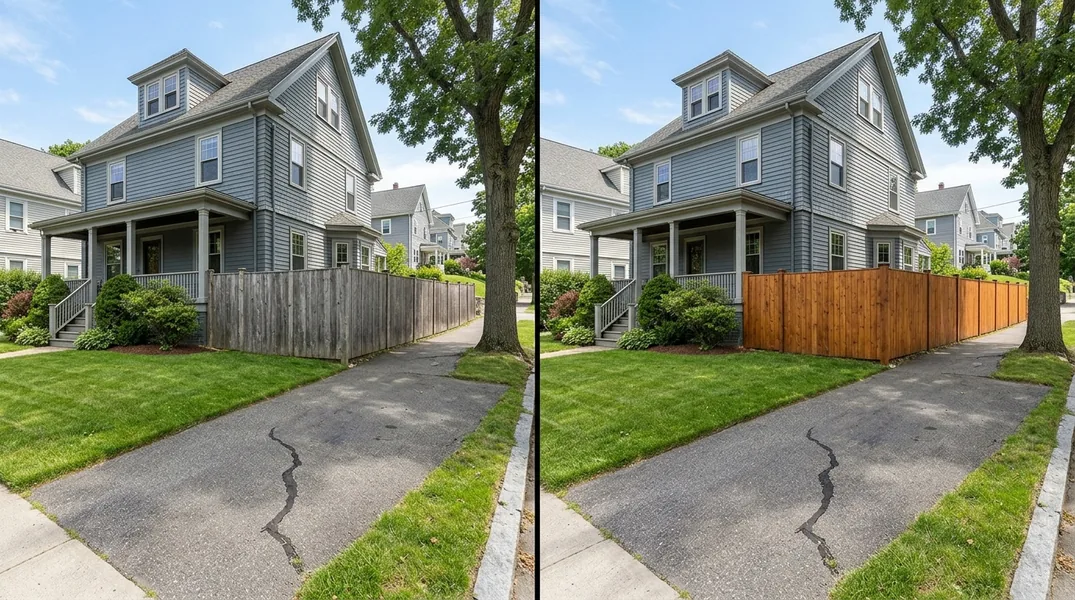
Do You Need a Fence Permit in Boston?
If you're planning a fence installation in Boston, one of the first questions you should ask is whether you need a permit. The short answer is yes, most residential fences in Boston require a permit before installation begins. However, the specific requirements can vary depending on your neighborhood, the type of fence, and local zoning ordinances.
The City of Boston requires homeowners to obtain a building permit for fence construction in most cases. This is especially true if your fence exceeds certain height limits or if it's located in a historic district. Even if you're installing a simple Wood & Privacy Fence Installation, you should contact your local building department to confirm permit requirements before breaking ground. Failing to obtain the necessary permits can result in fines, orders to remove the fence, or legal disputes with neighbors.
Understanding Fence Height Regulations in Boston
Fence height regulations are among the most important rules to understand before installing any fence. In Boston, the standard maximum height for residential fences is typically 4 feet in the front yard and 6 feet in the backyard. However, these rules are not universal across all neighborhoods, and some areas have stricter guidelines. For instance, properties in historic districts or those subject to specific neighborhood overlay districts may have different height restrictions that are more conservative.
If you're considering a taller fence, such as a 6-foot or 8-foot privacy fence, you'll need to verify that it complies with your local zoning code. Some municipalities surrounding Boston, like Newton and Brookline, have their own height regulations that may differ from the city proper. It's always wise to check with your city or town's building department before designing your fence. If you're unsure about regulations, the team at Boston Fence can help clarify what's permissible for your specific property by calling (857) 767-9232.
HOA and Neighborhood Restrictions: Is Your Fence Approved?
If you live in a homeowners association (HOA) community, you may face additional restrictions beyond municipal regulations. Many HOAs have strict architectural guidelines that govern fence materials, colors, height, and style. An HOA approved fence may look very different from what you initially envisioned. Before you invest time and money into a fence project, review your HOA's covenants, conditions, and restrictions (CC&R) or contact your HOA board directly to understand what's permitted.
Even if your fence complies with Boston city regulations, it may still violate your HOA's rules. Some associations require homeowners to submit architectural approval requests before construction begins. This process can add weeks to your timeline, but it protects you from having to remove a non-compliant fence after installation. If you're unsure whether your fence design is HOA approved, we recommend getting written approval before you proceed. Boston Fence works with homeowners throughout the area to ensure their fence projects meet all local and HOA requirements.
Wood & Privacy Fence Installation Cost in Boston: What to Budget
The pricing for a fence permit in Boston varies, but homeowners typically expect to pay between $75 and $300 for a residential fence permit, depending on the scope of the project. The permit cost is usually based on the estimated value of the fence installation. A larger fence or one made from premium materials like cedar will have a higher estimated value and may result in a higher permit fee.
Beyond the permit cost, you'll want to budget for the actual Wood & Privacy Fence Installation itself. A professional installation can range from $1,500 to $5,000 or more, depending on the fence type, materials, and the size of your project. If you're considering alternatives like Vinyl & PVC Fence Installation or Chain Link Fence Installation, the costs will differ. To get an accurate estimate for your specific project, Boston Fence offers a free estimate so you can plan your budget accordingly.
The Permit Application Process: Step by Step
Applying for a fence permit in Boston involves several steps. First, you'll need to contact your local building department or visit their website to obtain the permit application. You'll typically need to provide property information, a site plan or survey showing where the fence will be located, and details about the fence design, including materials and height. Some municipalities also require a drawing or photo showing what the finished fence will look like.
Once you submit your application, the building department will review it for compliance with local codes and zoning regulations. This review process usually takes one to three weeks, though it can take longer if the department has questions or if your application is incomplete. After approval, you'll receive your permit and can begin construction. It's important to note that permits are typically valid for a specific period, usually six months to one year, so plan your installation timeline accordingly. If you need guidance navigating the permit process or have questions about what documentation you'll need, Boston Fence can help. Contact us at (857) 767-9232 to discuss your project.
Special Considerations for Historic Districts and Overlay Zones
If your property is located in a historic district or a special overlay zone, you may face additional approval requirements beyond a standard building permit. Historic districts in Boston and surrounding areas like Quincy often require approval from a historic preservation commission or architectural review board. These boards evaluate fence proposals to ensure they're compatible with the historic character of the neighborhood. This means your fence design, materials, and finish may be subject to stricter scrutiny than in non-historic areas.
Overlay zones are another consideration. These are special regulatory areas that impose additional requirements on top of standard zoning rules. They might restrict fence materials, require specific colors, or limit height more strictly than the underlying zoning allows. Before you finalize your fence design, determine whether your property falls within a historic district or overlay zone. If it does, contact the appropriate review board early in the planning process. This proactive approach will save you time and potential disappointment. Boston Fence has experience working on properties throughout Boston with varying regulatory requirements and can guide you through these complexities.
Looking for a professional fence contractor in Boston? Boston Fence responds fast for all your fence needs.
Get a Free Quote